

A Comfortable Way to Replace Missing Teeth
If you're missing one or more teeth but still have healthy teeth remaining, a partial denture may be the simplest way to restore your smile and your bite. Unlike a full denture, a partial only replaces the teeth you've lost, fitting around your natural teeth with clasps or a flexible framework that holds it securely in place.
Partial dentures are removable, custom-fitted to your mouth, and designed to blend in naturally when you smile or talk.
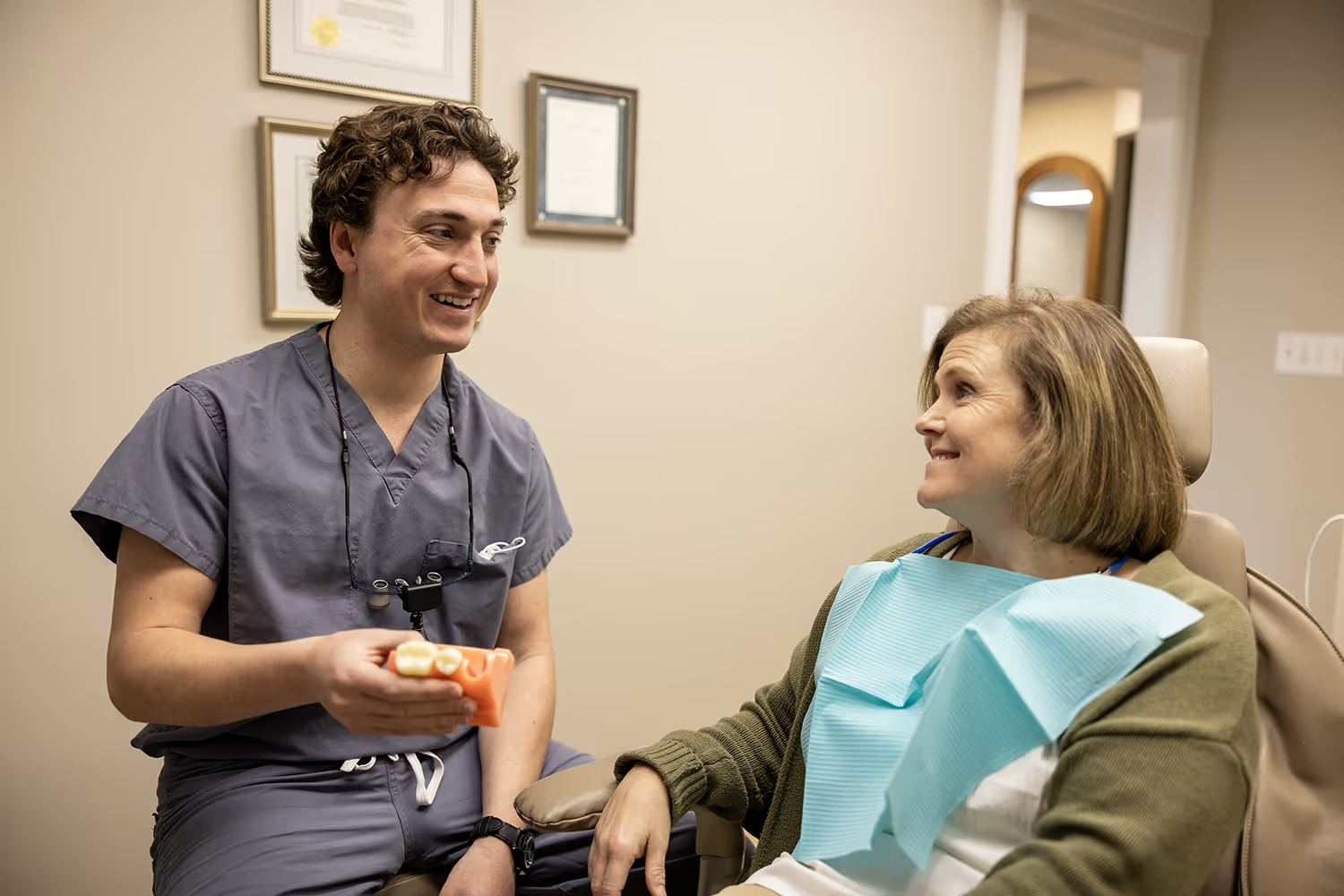
Partial Dentures to Preserve Your Bite
If you still have healthy teeth, partial dentures may be your best option. Gaps left by missing teeth can cause your remaining teeth to shift leading to:
- Bite misalignment
- TMJ disorders
- Gum disease or decay
A partial denture fills those spaces, helping to maintain proper alignment and function. We’ll help you choose the best option whether that’s a partial denture, a dental bridge, or an implant.
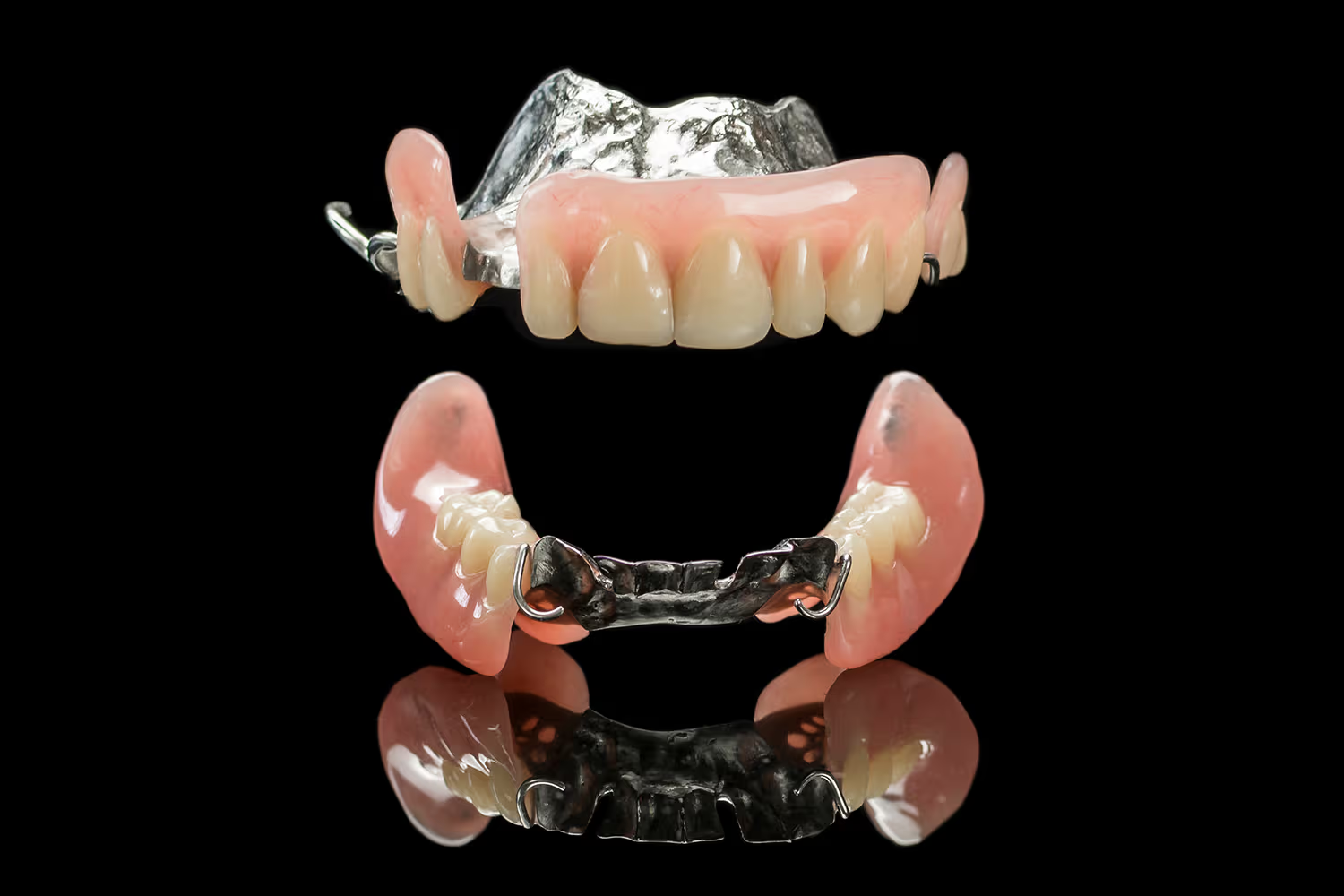
Types of Partial Dentures
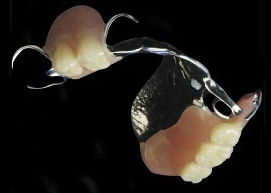
Metal Framework Partial Dentures
Traditional partial dentures use a metal framework with clasps that grip healthy surrounding teeth. These are strong, reliable, and the clasps can often be hidden for a more discreet appearance.
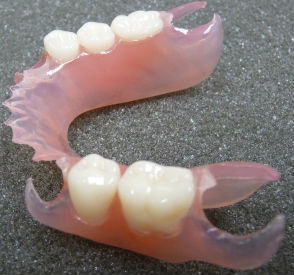
Flexible Valplast® Partials
Valplast partials are made of a flexible plastic with pink or translucent clasps, blending better with gum tissue for a more aesthetic look. While less durable than metal-based partials, they are often more comfortable and visually appealing.
Alternatives to Partial Dentures
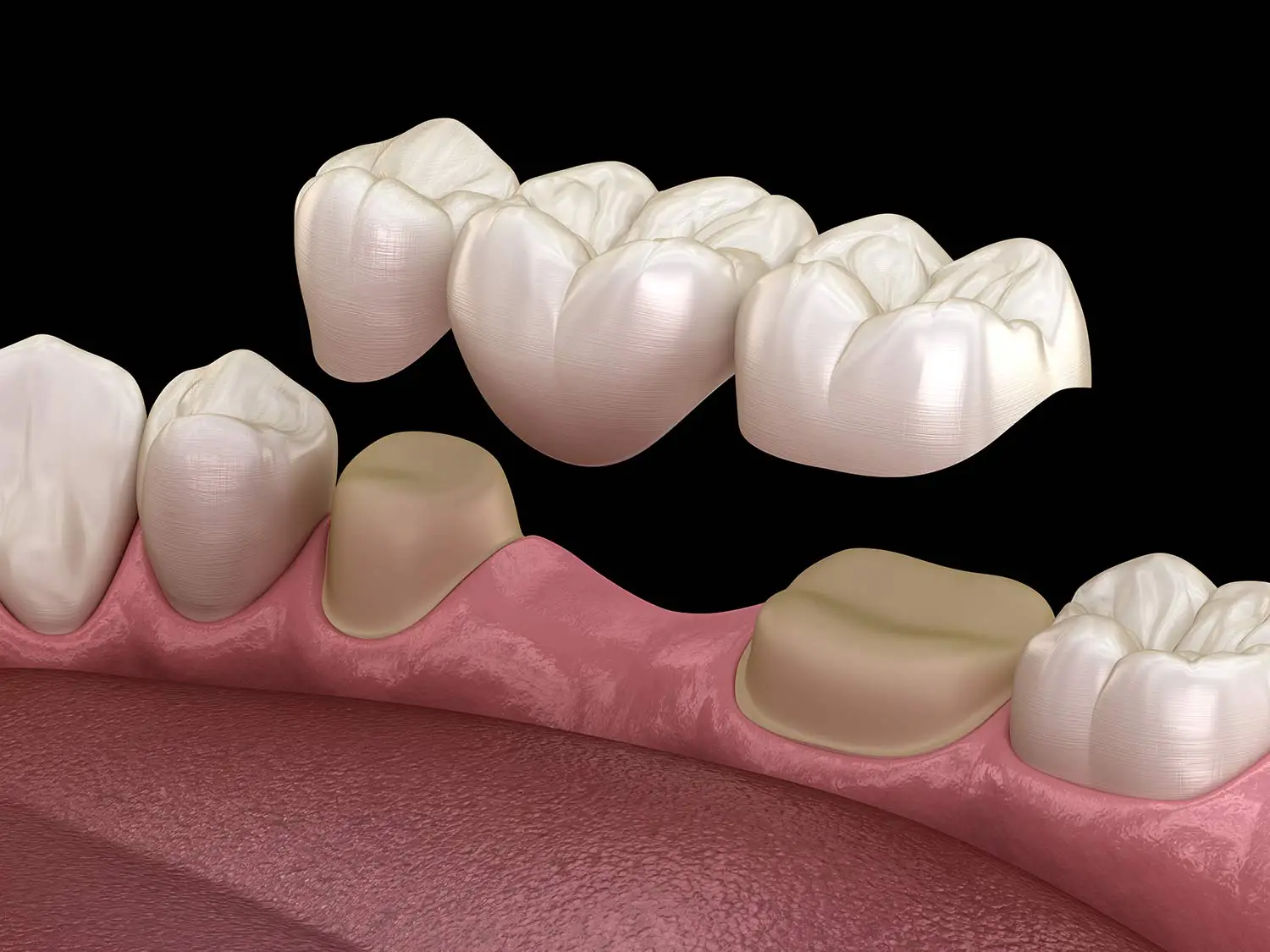
Dental Bridges
Bridges can replace one to three missing teeth by anchoring to the neighboring teeth with crowns. They are fixed (non-removable) and offer a more natural appearance than removable partials.

Dental Implants
Implants are the most permanent and natural-feeling solution. Surgically placed into the jawbone, they replace both the tooth root and the visible tooth—preventing bone loss and supporting long-term oral health. Though more expensive, implants function like your real teeth.