
Auburn Dental Bonding
Quick, Natural-Looking Repairs for a More Confident Smile
If you have minor cosmetic concerns like chips, small gaps, or worn edges, dental bonding in Auburn offers a fast and affordable solution. Using tooth-colored composite resin, our dentists can reshape and restore your smile — often in just one visit.
The bonding material isn't just flat white — it’s expertly blended for color variation, translucency, and shape that matches the surrounding teeth.
How Dental Bonding Works
Here’s what to expect during your bonding visit:
- Preparation – We gently roughen the surface and apply a bonding agent.
- Shade Matching – Several shades of composite are mixed for a seamless match.
- Sculpting – The resin is shaped to restore or enhance the tooth.
- Curing – A special light hardens the material.
- Polishing – The bonded area is smoothed and finished to a natural shine.

The Art of Dental Bonding
Dental bonding calls for both technical precision and an artistic eye. Our dentist in Auburn has completed extensive postdoctoral training in cosmetic bonding and has even shared his techniques as a lecturer for the American Academy of Pediatric Dentistry.
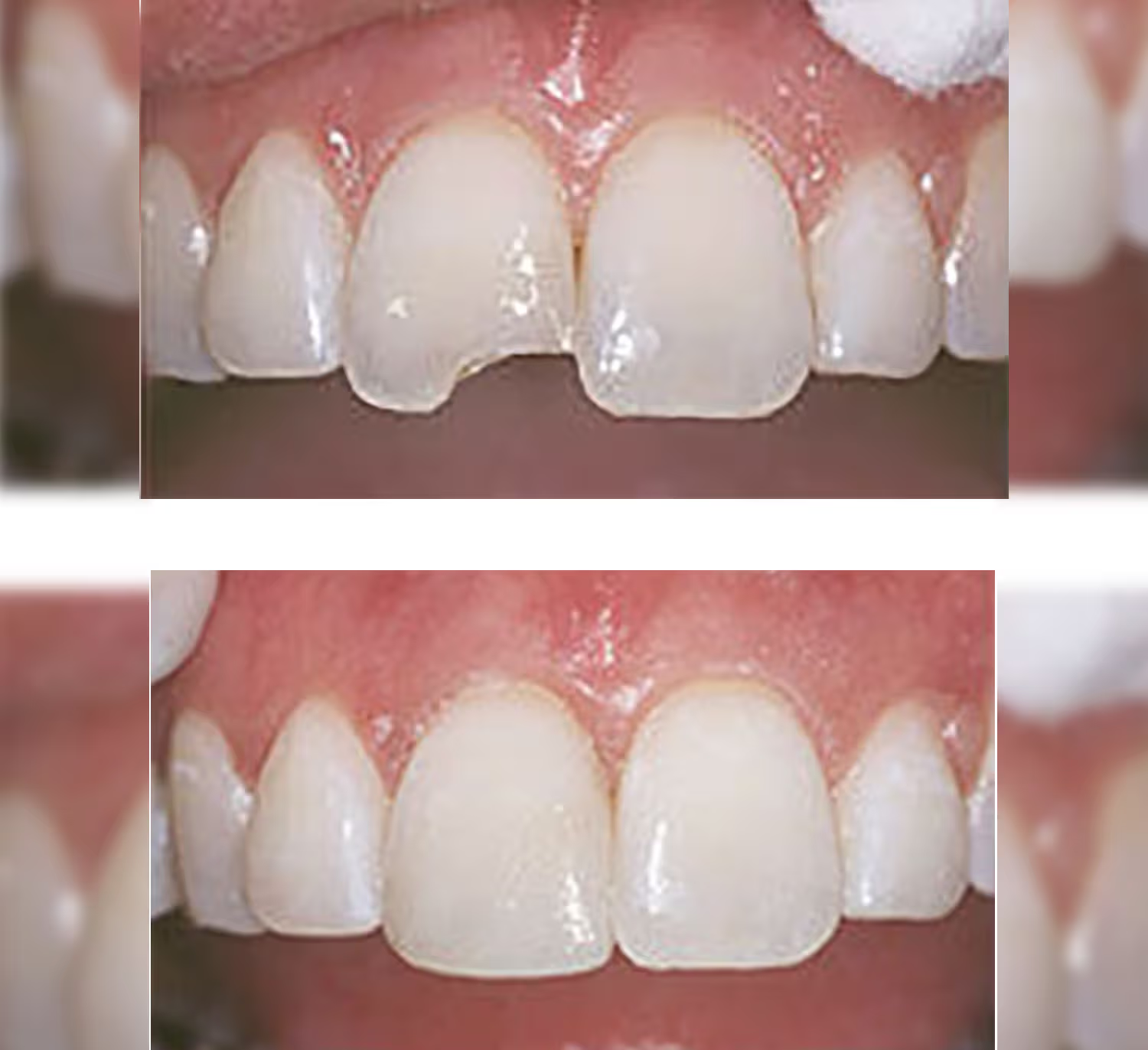
Take a close look at the photo. The subtle color variation, natural contours, and lifelike shine help the restoration blend so seamlessly with the surrounding tooth that it's difficult to tell where the bonding begins.
Aftercare for Long-Lasting Results
We’ll provide care instructions to help maintain your bonded teeth. Use a soft toothbrush, avoid abrasive toothpaste, and be gentle while brushing. Make sure to see a hygienist experienced in cosmetic cleanings for professional care that preserves the bonding work.
Bonding vs. Veneers — Which Is Right for You?
If you’re dealing with just a few small imperfections, dental bonding may be the simplest solution. But for a full smile makeover or longer-lasting durability, Porcelain veneers may be a better option.