When Implants Go Wrong and How to Avoid It
Dental implants are a proven and long-lasting solution for replacing missing teeth when done correctly. Unfortunately, dental schools don’t provide extensive training in implantology, and dental implants are not a recognized specialty by the American Dental Association.
This means any general dentist can legally perform the procedure, whether or not they’ve pursued the advanced training required for long-term success.
At Auburn Dental, our emergency dentist in Auburn wants patients to understand the risks of implant failure and how to protect themselves from it by choosing qualified, experienced professionals.
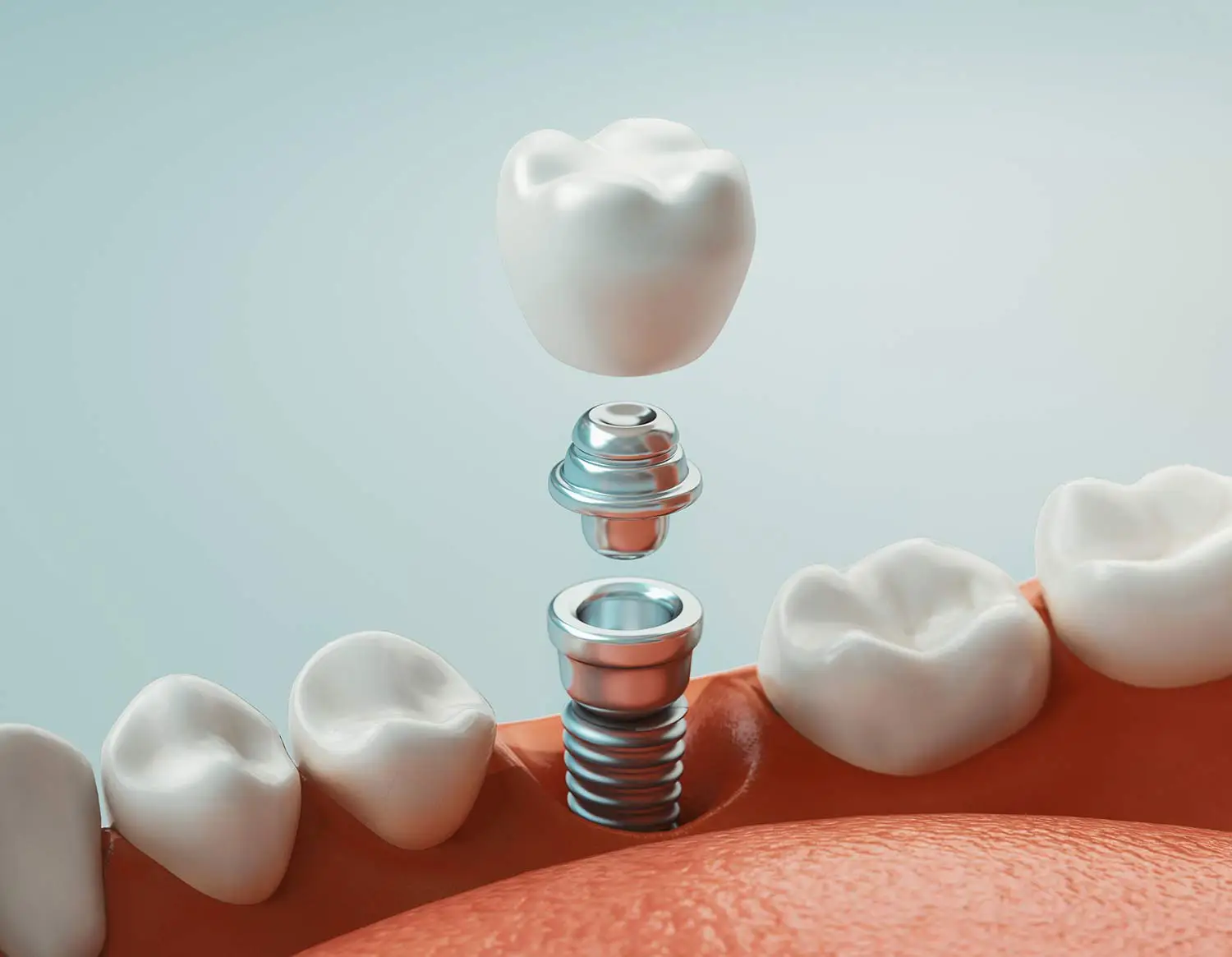
3 Main Causes of Dental Implant Failure
1. Infection Around the Implant (Peri-Implantitis)
Signs of infection may include:
- Soreness or swelling of the gums
- Bad breath or foul taste
- Loosening of the implant
Infection can occur due to:
- Bacteria introduced during surgery (especially if sterile protocols aren’t followed)
- Poor hygiene after placement
- Use of low-quality or ill-fitting implant components, which allow bacteria to collect in gaps
- Crowns not properly tailored to your bite or soft tissue
💡 Prevention Tip: Choose a dentist who uses custom-fitted crowns and follows sterile surgical protocols. Preventive antibiotics may also be recommended.
2. Loose or Unstable Implants
If your implant never fully integrates with your jawbone, it may become loose over time. This can be caused by:
- Insufficient bone structure due to long-term tooth loss (which should have been addressed with a bone graft)
- Inadequate healing time before placing the crown
- Use of discount or generic implant parts
- Persistent infections or poor bone quality
💡 Prevention Tip: A skilled implant dentist will evaluate bone volume using 3D imaging and recommend grafting when needed. Patience during the healing process is key.
3. Poor Implant Placement
Without precise imaging and planning, dental implants can be dangerously mispositioned, resulting in:
- Entry into sinus or nasal cavities
- Pressure on nerve pathways causing numbness or tingling
- Misalignment with neighboring teeth or bite problems
💡 Prevention Tip: Always ask whether your dentist uses 3D radiographs (CBCT scans) for guided implant placement.
Protecting Yourself from Implant Failure
The best way to prevent complications is to choose a provider with:
- Advanced postdoctoral training in implant dentistry
- Experience with hundreds of successful cases
- Access to high-quality implants and 3D planning tools
At Auburn Dental, we follow these protocols to help ensure every implant succeeds—from initial consultation to final restoration.